Razan Al Mubarak Highlights the Abu Dhabi Call to Action at IUCN Congress

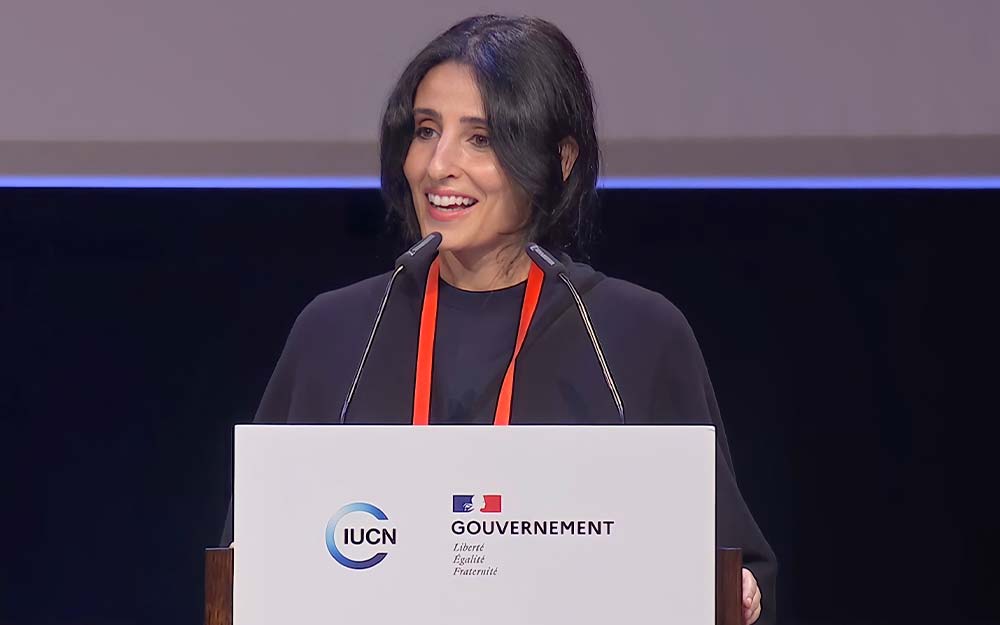
Razan Khalifa Al Mubarak, President of the International Union for Conservation of Nature (IUCN), underscored the importance of adhering to the Abu Dhabi Call to Action and the key priorities set to face the pressing global challenges ahead, at the 2025 IUCN World Conservation Congress.

The IUCN Congress brought nearly 10,000 participants from 189 countries to Abu Dhabi for a week of dialogue, learning, and collective decision-making. Throughout, Ms. Al Mubarak expressed her appreciation that the United Arab Emirates had the opportunity to host the Congress and that the resulting global statement now carries the name of the city where the Union met.

The Abu Dhabi Call to Action reflects months of preparation and intensive discussions held during the Congress. It acknowledges that the world is facing a convergence of accelerating challenges: biodiversity loss, ecosystem degradation, pollution, climate instability, and widening inequalities. With only a few years remaining to meet the ambitions of the Global Biodiversity Framework, the Paris Agreement, and the Sustainable Development Goals, Congress participants affirmed that greater unity, urgency, and cooperation are essential.

Drawing from the diverse perspectives of governments, Indigenous Peoples, civil society, scientists, youth, faith communities, and the private sector, the Call to Action sets out five shared priorities for global action:

  1. Reaffirm nature as the foundation of human well-being, and protect, conserve, and restore land, freshwater, coastal, ocean, and polar ecosystems, while recognising and supporting those who steward them.
  2. Strengthen multilateralism and cooperation, grounded in justice, accountability, and the rule of law, to meet environmental challenges with coherence and resolve.
  3. Ensure justice, equity, and inclusion, by enabling meaningful participation across communities and generations and safeguarding environmental defenders.
  4. Advance science, knowledge, and innovation, drawing on scientific, traditional, and Indigenous knowledge to inform effective and sustainable solutions.
  5. Scale up and align resources for nature and climate action, including financial, technological, and human capacity, while eliminating harmful subsidies and incentivising nature-positive outcomes.

The Call to Action complements the decisions adopted at the Congress, including IUCN’s new 20-Year Strategic Vision, the 2026–2029 Programme, and 148 motions. Together, these commitments reflect the Union’s shared intention to turn ambition into measurable progress. Ms. Al Mubarak stated:

“The Abu Dhabi Call to Action stands as a reminder of what is possible when the global conservation community meets in a spirit of humility, listening, and cooperation. It carries the name of Abu Dhabi not as a claim of ownership, but as a reflection of the place where the world came together to reaffirm a common purpose: One Nature, One Humanity, One Future.”

Download the Abu Dhabi Call to Action

Razan Al Mubarak and Dame Amelia Fawcett Highlight the Importance of Biocredits in a New Op-ed for IUCN’s Crossroads

Razan Al Mubarak, President of IUCN and panel member of the International Advisory Panel on Biodiversity Credits (IAPB), recently co-authored an op-ed for IUCN’s Crossroads alongside Dame Amelia Fawcett, Co-Chair of IAPB. The article dives into biodiversity credits and highlights how private initiatives should scale up in order to bridge the financial gap regarding climate action.

“To appreciate the stakes, one must grasp how stark the financial gap is. Current assessments suggest global biodiversity conservation receives USD 124–143 billion annually, while an estimated gap of USD 942 billion remains to meet the goals of the Global Biodiversity Framework.

Approximately 80% of current conservation funding still comes from public sources (governments and multilateral institutions). That means private capital, philanthropy and market instruments must scale rapidly if we are to close the gap. The Global Biodiversity Framework itself includes Target 19, which explicitly mentions biodiversity credits as one of several financial mechanisms for resource mobilisation.”

In the article, Ms. Al Mubarak and Ms. Fawcett review the concept of biocredits — a certificate created to serve as a measured and evidence-based unit of positive biodiversity outcome, durable and additional to what would have occurred otherwise.

“Credits represent the biodiversity outcomes linked to a project and can be sold and issued throughout the project lifecycle. Biodiversity credits can be used to support both conservation and restoration of nature including maintenance activities. The goal is not to monetise nature itself but to monetise the results of actions that produce ecological value, making them investable.”

Calling back to the IUCN World Conservation Congress, which took place October 9 through 15 in Abu Dhabi, Ms. Al Mubarak and Ms. Fawcett introduce IAPB’s Framework for high-integrity biodiversity credit markets:

“As many at the Congress stressed, biodiversity credit markets must embed high integrity, strong governance and social equity from the start, not as afterthoughts. This is what the International Advisory Panel on Biodiversity Credits, of which we both are members, is addressing through our Framework for high-integrity biodiversity credit markets. This Framework was developed with input from over 120 experts from varied disciplines (including Indigenous Peoples and scientists) and more than 25 countries.”

In a call for action, the article wraps up with a powerful conclusion:

“If nature credits, backed by public, private, and philanthropic capital, can deliver high impact for nature and people, they may become a powerful tool to finance a living planet.”

 Read the full article here.

Razan Al Mubarak Advocates for a Forward-Looking Union at IUCN World Conservation Congress

Razan Khalifa Al Mubarak, President of the International Union for Conservation of Nature, welcomed international Union members, Commissions, and partners to the 2025 IUCN World Conservation Congress, held in Abu Dhabi from October 9 through 15.

Prior to the Congress, Ms. Al Mubarak participated in the opening ceremony of the first “World Summit of Indigenous Peoples and Nature” — a historic milestone in IUCN’s 77-year history, as the gathering marked the first time that all Indigenous Member organisations of IUCN have come together to shape the shared priorities for nature.

Highlights of the following days include:

1️⃣  The opening “Business and Nature Summit” gathering — a moment for multi-sector leaders to get together and discuss how capital and corporate leadership can help close the biodiversity finance gap.

2️⃣  The “Nature’s Promise for Climate and People” dialogue, centered on reflecting on how the conservation community can bridge the gap between climate ambition and action ahead of COP30 Brazil.

3️⃣ The Youth Pavilion at IUCN World Conservation Congress, a space for young conservationists who are driving fresh thinking, creativity, and energy into the climate movement. A reminder that the future of conservation is already here — and it’s collaborative, inclusive, and bold.

4️⃣ A series of homages and respects to fellow conservationists and actors, such as the heartfelt tribute to Dame Jane Goodall, and the International Ranger Awards, held to honor the true guardians of nature.

At the IUCN Members’ Assembly, Ms. Al Mubarak was re-elected for a second term as President, following a four-year term marked by strengthened governance, renewed trust, and the elevation of nature within global climate and biodiversity agendas.

In her acceptance speech, Ms. Al Mubarak spoke about the future of IUCN and conservation altogether:

“In an age of fragmentation, when others turn inwards, IUCN must turn outwards. We must leave to those who follow us a Union that is stronger, that is more united and more relevant than ever. A Union that not only measures the loss of nature but inspires life, building trust and solidarity across all boundaries.”

Razan Al Mubarak Re-elected President of the International Union for Conservation of Nature

Razan Khalifa Al Mubarak, President of the International Union for Conservation of Nature (IUCN), has been re-elected for a second term at the IUCN World Conservation Congress in Abu Dhabi, United Arab Emirates.

Ms. Al Mubarak is the first president from West Asia and the second woman to lead IUCN in its 77-year history.

Ms. Al Mubarak’s re-election was announced today at the IUCN Members’ Assembly, following a four-year term marked by strengthened governance, renewed trust, and the elevation of nature within global climate and biodiversity agendas. A majority of IUCN’s more than 1,400 Member organisations, representing 160 countries, confirmed their confidence in Ms. Al Mubarak to continue leading the Union through this decisive decade for nature.

Ms. Al Mubarak said of her re-election as President of IUCN:

“I am truly honoured to have been re-elected President of the IUCN, especially at a moment when nature, climate, and people must be brought together in action. Over the past four years, I have witnessed the extraordinary strength of our Union — our Members, Commissions, and partners — working together across boundaries and disciplines. I remain profoundly grateful for the support of the UAE leadership and its institutions, whose belief in conservation has inspired my own. This new mandate is both a privilege and a responsibility — to continue turning ambition into action for nature and for humanity.”

The world's oldest and largest global environmental network, IUCN is a democratic membership union that harnesses the world’s most influential organisations and experts to conserve nature and accelerate a global transition to sustainable use of natural resources. Composed of more than 19,000 conservation experts and 1,400 Member organisations, including States, government agencies, subnational goverments, NGOs, and Indigenous Peoples’ organisations, IUCN is considered the global authority on conservation. 

Her re-election comes as IUCN launches a new four-year Programme of Work — the final one before the global biodiversity, climate, and land restoration targets are due in 2030. Under Ms. Al Mubarak’s leadership, the Union will work to deliver on its 20-year Vision, turning ambition into measurable outcomes and ensuring that IUCN continues to guide collective action for nature, climate, and people worldwide.

His Excellency Mohamed Al Bowardi, Deputy Chairman of the MBZ Fund and UAE Minister of State, stated the following:

“Thanks to her passionate, innovative, and decisive leadership, the Mohamed bin Zayed Species Conservation Fund has become a global model, showing that small but focused interventions on the ground can make a big difference in saving species. We know that she will continue to bring this same sense of commitment, creativity, and collaboration to IUCN as it sets the global agenda for this crucial decade for conservation.”

Ms. Al Mubarak began her career in conservation in 2001 when she helped to establish Emirates Nature – WWF, an NGO associated with the World Wide Fund for Nature. At Emirates Nature – WWF, she spearheaded initiatives to protect the UAE’s coral, conducted research leading to the establishment of the country’s first mountain national park, and created the framework to protect nesting and migrating sea turtles.

In 2010, Ms. Al Mubarak became the youngest person to lead an Abu Dhabi government entity with her appointment as Secretary-General of the Environment Agency – Abu Dhabi (EAD), an organisation for which she now serves as Managing Director. In her role leading a government agency of over 1,000 employees, EAD was instrumental in the successful reintroductions of the Arabian Oryx in the UAE and the Scimitar-horned Oryx in Chad.

Ms. Al Mubarak has helped build the Mohamed bin Zayed Species Conservation Fund (MBZ Fund) into one of the world's largest philanthropic endowments supporting direct species conservation. Since its inception in 2009, the Fund has supported more than 3,100 projects worldwide, contributing to the rediscovery, reintroduction, and protection of over 1,900 species. Under her leadership, it has evolved from a small grants programme into a platform advancing broader conservation initiatives that link biodiversity, sustainability, and human well-being.

In addition to her national roles, Ms. Al Mubarak serves as UAE Sherpa to the High-Level Panel for a Sustainable Ocean Economy, Co-Chair of the Taskforce on Nature-related Financial Disclosures (TNFD), and Nature Champion at the World Economic Forum. She also previously served as UN Climate Change High-Level Champion for COP28 UAE, where she played a key role in elevating nature’s role in global climate action.

Ms. Al Mubarak holds an MSc in Public Understanding of Environmental Change from University College London (UCL) and a BA (Hons) in Environmental Studies and International Relations from Tufts University, USA. She also serves on the boards of Panthera, Re:wild, and the Tropical Forests Forever Facility.

IUCN President Razan Al Mubarak Calls on Members to Unite ahead of World Conservation Congress

Razan Khalifa Al Mubarak, President of IUCN, reflects on the Union’s achievements during her first term, highlights the development of IUCN’s first-ever 20-year strategy, and calls on Members to unite for nature, climate, and people ahead of the IUCN World Conservation Congress, which is taking place October 9 to 15 in Abu Dhabi, UAE:

“What makes IUCN unique is not only its history, but its people. As President, I have witnessed the energy and commitment of our Members—scientists, governments, civil society, Indigenous Peoples, and communities—coming together with a shared purpose.

I’ve seen this spirit in so many places: Washington, Kenya, Guatemala, Switzerland, and West Asia. Each moment reminded me of the power of our Union.

My leadership is grounded in the belief that conservation must be strategic, inclusive, and collaborative—integrating nature into climate action while empowering Indigenous Peoples, women, youth, and local communities to shape global solutions.

In my first term, we strengthened IUCN’s voice on the global stage, advanced Indigenous participation and youth leadership, improved governance and transparency, and expanded partnerships that bring new energy and resources to our Union.

Looking ahead, we have prepared, through broad consultation, IUCN’s first-ever 20-year strategy and the new 4-year programme of work. Both will be considered by Members at the Congress, charting a bold path to 2045 and setting priorities for the years ahead.

As I seek a second term as President, I remain committed to a Union that is strategic, inclusive, and effective—delivering real impact for nature and people. That means ensuring our strategy lives in action, upholding good governance, serving all Members with science and policy leadership, and deepening partnerships that keep nature at the center of global decisions.

This is our moment to unite for nature, climate, and people.

I look forward to welcoming you to the IUCN World Conservation Congress in Abu Dhabi, from the 9th to the 15th of October, 2025. Through the Forum, Exhibition, and Members’ Assembly, we will share ideas, debate motions, and elect the next IUCN Council—shaping the future of conservation together.

Thank you.”

IUCN President Razan Al Mubarak Meets with IUCN Regional Leaders in West Asia


On 2 June 2025, Razan Khalifa Al Mubarak, President of the International Union for Conservation of Nature (IUCN), visited the IUCN Regional Office for West Asia (ROWA) in Amman, Jordan, to engage directly with members, partners, and staff from across the region.

The visit included meetings with Dr. Hany El Shaer, Regional Director of IUCN ROWA; HRH Princess Basma bint Ali, a long-standing champion of environmental stewardship in Jordan and the founder of the Royal Botanic Garden; and H.E. Dr. Muawiya Radaideh, Minister of Environment of Jordan. President Al Mubarak also held a roundtable with national committee chairs representing Jordan, Lebanon, Palestine, Kuwait, and the UAE.

Discussions focused on regional priorities for the upcoming IUCN World Conservation Congress in Abu Dhabi, the importance of inclusive governance, and the need for a stronger collective voice from West Asia. Topics ranged from strengthening institutional capacity to exploring how conservation can contribute to broader resilience and stability across the region.

The visit reaffirmed the importance of ROWA’s role in supporting both government agencies and civil society organizations, and underscored IUCN’s commitment to building a shared regional vision. That vision—grounded in science, collaboration, and real-world impact—will be brought forward at the Congress in October.

Video: Razan Al Mubarak Talks About Seeking a Second Term as IUCN President

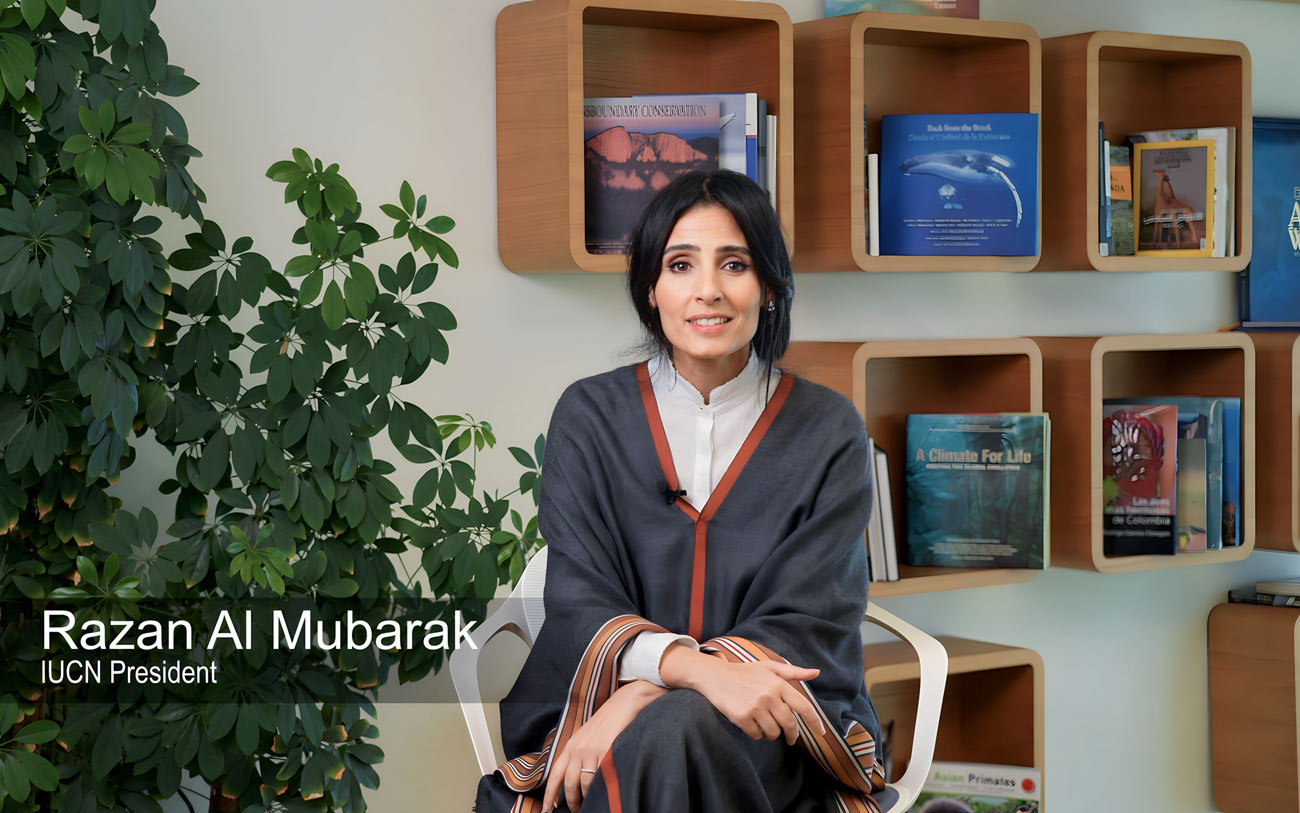
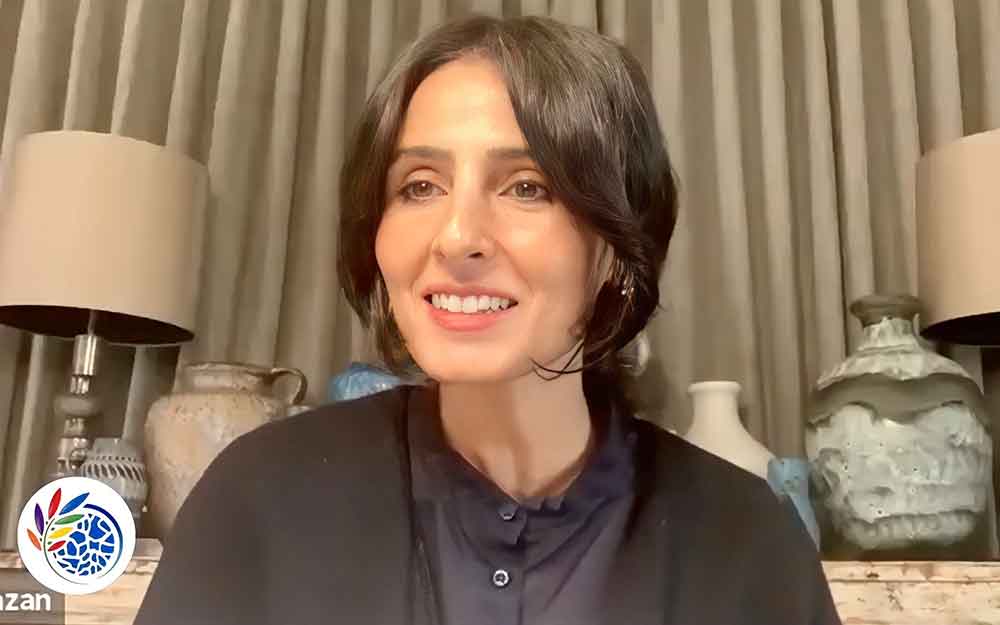
Razan Khalifa Al Mubarak, President of the International Union for Conservation of Nature (IUCN), has been selected as a candidate for a second term. She stated:

“Serving as President of IUCN—the world’s oldest and largest environmental network—has been one of the greatest honours of my life.

Today, I am deeply humbled to have been selected by the IUCN Council and Election Committee as a candidate for a second term. I would be honoured to continue this journey with you.

Over the past four years, with the support of our Council, the leadership of our Director General and Secretariat team, and the dedication of our Members, we have strengthened our Union: advancing a 20-Year Strategic Vision for IUCN, improving governance, and elevating the voice of nature on the global stage.

IUCN was founded to conserve nature and promote the sustainable use of natural resources. Today, the world increasingly recognizes that safeguarding nature is essential—not only for biodiversity itself, but also for human wellbeing, resilience, and the future of our planet.

As we prepare to gather this October at the IUCN World Conservation Congress in Abu Dhabi, we have an important opportunity to shape an even more ambitious path forward.

That is why I am seeking a second term: to help IUCN, together with its Council, Director General, Secretariat, and most importantly, its Members, deepen its impact, strengthen its partnerships, and continue to be the leading global voice for nature at this critical time.

The strength of IUCN lies in its diverse and influential membership, who are uniquely positioned—both globally and locally—to deliver meaningful action for nature and biodiversity where it matters most.

With your support, I am ready to continue this vital work—together—for nature, and for the future we all share.

Thank you.”

IUCN President Razan Al Mubarak Chairs 113th Council Meeting in Gland, Switzerland

The International Union for Conservation of Nature (IUCN) convened its 113th Council meeting at the IUCN Conservation Centre in Gland, Switzerland, from 8 to 9 May 2025, under the leadership of President Razan Khalifa Al Mubarak. This marked a pivotal moment for IUCN as preparations are intensifying for the upcoming World Conservation Congress in Abu Dhabi in October 2025.

During the two-day meeting, Council members advanced discussions on key institutional priorities and approved several critical documents that will guide the Union’s work in the coming years. Central to the agenda were the final drafts of IUCN’s 20-year strategic vision—Unite for Nature: On the Path to 2045—and the IUCN Programme 2026–2029, both of which will be submitted to Members for adoption at the Congress.

President Al Mubarak emphasized the importance of continuity and collective ambition as IUCN moves toward its landmark Congress:

“The Council plays a critical role in ensuring that IUCN remains fit for purpose—grounded in scientific excellence, responsive to Members, and focused on delivering results for nature and people.”

For more information about IUCN and the 2025 World Conservation Congress, visit iucncongress2025.org.

IUCN President Razan Al Mubarak Leads 112th Council Meeting in Guatemala

The International Union for Conservation of Nature (IUCN) convened its 112th Council meeting in Antigua, Guatemala, under the leadership of President Razan Khalifa Al Mubarak. This meeting serves as an important milestone for IUCN, providing an opportunity to review progress in 2024 and set priorities for the future.

Honoring Guatemala’s cultural richness and deep connection with nature, upon arrival, Ms. Al Mubarak participated in a traditional Mayan ceremony, a powerful reflection of how Indigenous knowledge has long guided conservation efforts.

One of the central discussions is IUCN’s 20-year strategic vision, Unite for Nature: On the Path to 2045, which will be presented for approval at the IUCN 2025 World Conservation Congress in Abu Dhabi. Developed through extensive consultations, this strategy outlines the organization’s long-term conservation goals and financial framework.

Council members are also reviewing the draft IUCN Programme of Work for 2026-2029, which is scheduled for endorsement in May 2025. Additionally, preparations for the upcoming World Conservation Congress are underway. This event, held every four years, will bring together over 15,000 participants, including conservation experts, policymakers, indigenous representatives, and private sector stakeholders.

As part of the meeting, the Council will visit Guatemala City to engage with lawmakers on the country’s environmental legislative agenda. A key focus will be a vote on the establishment of a 7,000-hectare marine protected area aimed at safeguarding critical coral reef ecosystems. Discussions will also take place at the National Palace of Guatemala, where President Bernardo Arevalo and Minister of Environment and Natural Resources Patricia Orantes will present the country’s strategic environmental plan and its collaboration with IUCN.

In recognition of her leadership in conservation, President Razan Al Mubarak was presented with the Keys to Antigua during a ceremony hosted by Mayor Juan Manuel Asturias.

For more information about IUCN and the 2025 World Conservation Congress, visit iucncongress2025.org

Razan Al Mubarak Chairs the 111th IUCN Council Meeting

This week, Razan Al Mubarak, President of the International Union for Conservation of Nature (IUCN), is leading the 111th IUCN Council Meeting in Gland, Switzerland. The meeting focuses on critical strategic initiatives that will shape the future of conservation efforts globally.

In collaboration with IUCN members, the council is discussing the IUCN’s 20-year strategic vision, which addresses the increasing challenges in biodiversity and climate change. This vision highlights the necessity of escalating conservation efforts to combat the potential overshoot of the 1.5°C target set by the Paris Agreement. Additionally, the meeting includes the review of IUCN’s draft program for 2026-2029, which will undergo several iterations with input from IUCN members, aiming to finalize and approve it at the upcoming IUCN 2025 World Conservation Congress in Abu Dhabi.

Razan Al Mubarak, who also serves as the Managing Director of the Environment Agency - Abu Dhabi, emphasized the critical role of nature-based solutions in addressing major environmental threats. These solutions, which include reversing deforestation and restoring ecosystems, are pivotal for achieving conservation and sustainable development objectives.

The meeting also prepares for the IUCN’s participation in key global events later this year, including the 16th meeting of the Conference of the Parties (COP) to the Convention on Biological Diversity, the 2024 UN Climate Change Conference (COP29), and COP16 of the United Nations Convention to Combat Desertification.

Under MS. Al Mubarak’s leadership, the IUCN continues to advocate for holistic environmental governance, integrating biodiversity and nature conservation into broader climate action strategies. This approach was strongly supported during COP28, where significant commitments were made, including halting deforestation by 2030 and allocating substantial funds to protect forest and coastal ecosystems.

The outcomes of the 111th Council Meeting are expected to significantly influence conservation strategies and policies globally, reinforcing IUCN’s role in fostering a sustainable future.

IUCN President Razan Al Mubarak leads 75th Anniversary Commemoration and 110th Council Meeting

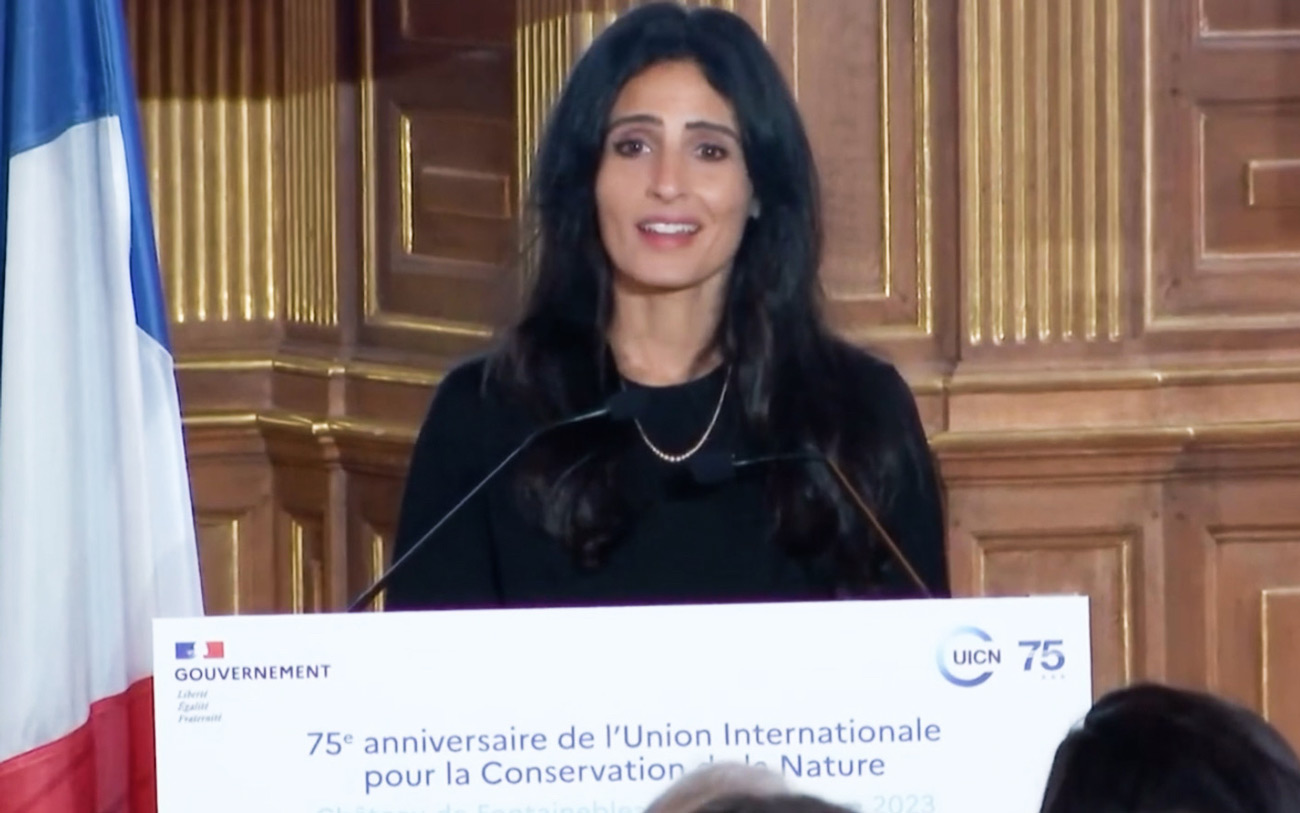
Today, on the 75th Anniversary of the founding of IUCN, Razan Al Mubarak commemorated the organization and led its 110th Council Meeting in the Chateau of Fontainebleau, France, where the International Union for the Conservation of Nature was formally established.

In a heartfelt retrospective of the organization’s journey,  Ms. Al Mubarak highlighted its growth throughout the years and emphasized the relevance of a common conviction:

“IUCN is a global union of an incredibly diverse worldwide membership including 1,400 entities from governments, subnational governments, Indigenous peoples’ groups, and civil society, and 15,000 experts from diverse disciplines. All united to defend a conviction that the world is better, more liveable, more wondrous, healthier, and more resilient when nature and humankind thrive together.”

Ms. Al Mubarak, who is gearing up to represent the COP28 presidency at the end of November, also spoke on the importance of an inclusive approach to conservation:

“The targets of the Sustainable Development Goals, the Global Biodiversity Framework and the Paris Agreement must be met with a groundswell of bold action from governments, civil society, indigenous peoples’ organizations, women and youth.”

During the 110th meeting of the IUCN Council, which focused on furthering the development of a 20-year strategic vision for the IUCN, Ms. Al Mubarak stated:

“While the urgency to address environmental challenges has never been greater, we are buoyed by a wave of positive developments. The emergence of global and regional environmental agreements, responsible business practices, financial incentives for nature, and advanced monitoring technologies are beacons of hope, guiding us towards a more sustainable and prosperous future.”

Watch Ms. Al Mubarak’s full speech at the 75th Anniversary Commemoration of IUCN here.

Razan Al Mubarak Announced The Ocean Breakthroughs at the IUCN Leaders Forum

At the recent IUCN Leaders Forum in Geneva, Switzerland, IUCN President Razan Al Mubarak announced an ambitious global marine conservation and climate action initiative – The Ocean Breakthroughs.

Developed by the Marrakech Partnership for Global Climate Action and with the support of the UN Climate Change High-Level Champions, The Ocean Breakthroughs presents specific targets spanning over five key ocean sectors – marine conservation, ocean renewable energy, shipping, aquatic food, and coastal tourism – with the goal of reducing global greenhouse gas emissions by up to 35 percent by 2050.

These targets are:

  • Investing at least $72 billion to protect, restore and conserve at least 30 percent of the ocean;
  • Reaching at least 380 GW of installed offshore wind capacity and ensuring the availability of concessional finance to support renewable energy projects in developing countries;
  • Upskilling 450,000 seafarers, creating climate-adapted ports and achieving 5 percent of zero emission fuels in shipping;
  • Providing at least $4 billion per year in support of resilient aquatic food systems to ensure sustainable and secure food supplies for three billion people;
  • Striving for sustainable coastal tourism.

Ms. Al Mubarak, who is also the UN Climate Change High-Level Champion for COP28, highlighted how the initiative arrives at a time when humanity is facing a dual challenge: the crisis of biodiversity loss and the ever-escalating threat of climate change:

“With over a quarter of the world’s species threatened with extinction, the situation is dire. Our very survival, from our daily bread and water to protection from extreme weather events, hinges upon a healthy ecosystem. The planet’s capacity to sustain us, to ensure our wellbeing, is critically dependent on halting this ongoing loss of life.”

Although the challenge is significant, Ms. Al Mubarak reflected on the possibility it presents for teamwork and innovation:

“It’s a challenge we are ready for. It also presents us with an unprecedented opportunity to demonstrate leadership, foster collaboration and design innovative strategies for change on a global scale.”

Learn more about the Ocean Breakthroughs announcement in the official press release.

Razan Al Mubarak Marks Her Second Anniversary as IUCN President

Razan Al Mubarak shared a message to mark her second anniversary as President of the International Union for Conservation of Nature (IUCN). In her speech, she highlighted the importance of inclusion to solve the current climate crisis.

“One of the cornerstones of our work for the last two years has been a focus on inclusion. And by inclusion, I don't mean an aspirational touting of petty talking points. I mean real inclusion specifically of women, Indigenous people and youth at the decision-making nexus on the critical issues of both biodiversity loss and climate change.”

Ms. Al Mubarak, who was named the UN Climate Change High Level Champion for COP28, also spoke on the importance of nature-based solutions to tackle the current climate crisis:

“To that end, another key principle that I have focused on as we lead up to COP 28 is that very intersection and inevitably the importance of nature based solutions. We at IUCN have spent many years championing the importance of nature based solutions, and I am happy to report that we are making great progress in promoting this very concept on the global stage for the first time at COP28, countries will follow the Paris Agreements mandate to take stock of our collective progress towards achieving the agreement's key goals.

Unfortunately, it is now clear that we are not meeting critical targets. Getting back on track and addressing these gaps will require changes not just in energy and transportation, but also in how we farm, how we build, how we manufacture, and how we invest in conserving and restoring nature. Most nature based solutions are faster and more cost effective than any engineered solutions out there, many of which are still decades away from removing carbon on a scale that's even close to what nature can do.”

Watch Ms. Al Mubarak’s full speech on YouTube.

IUCN President Razan Al Mubarak Leads 109th Council Meeting in Switzerland

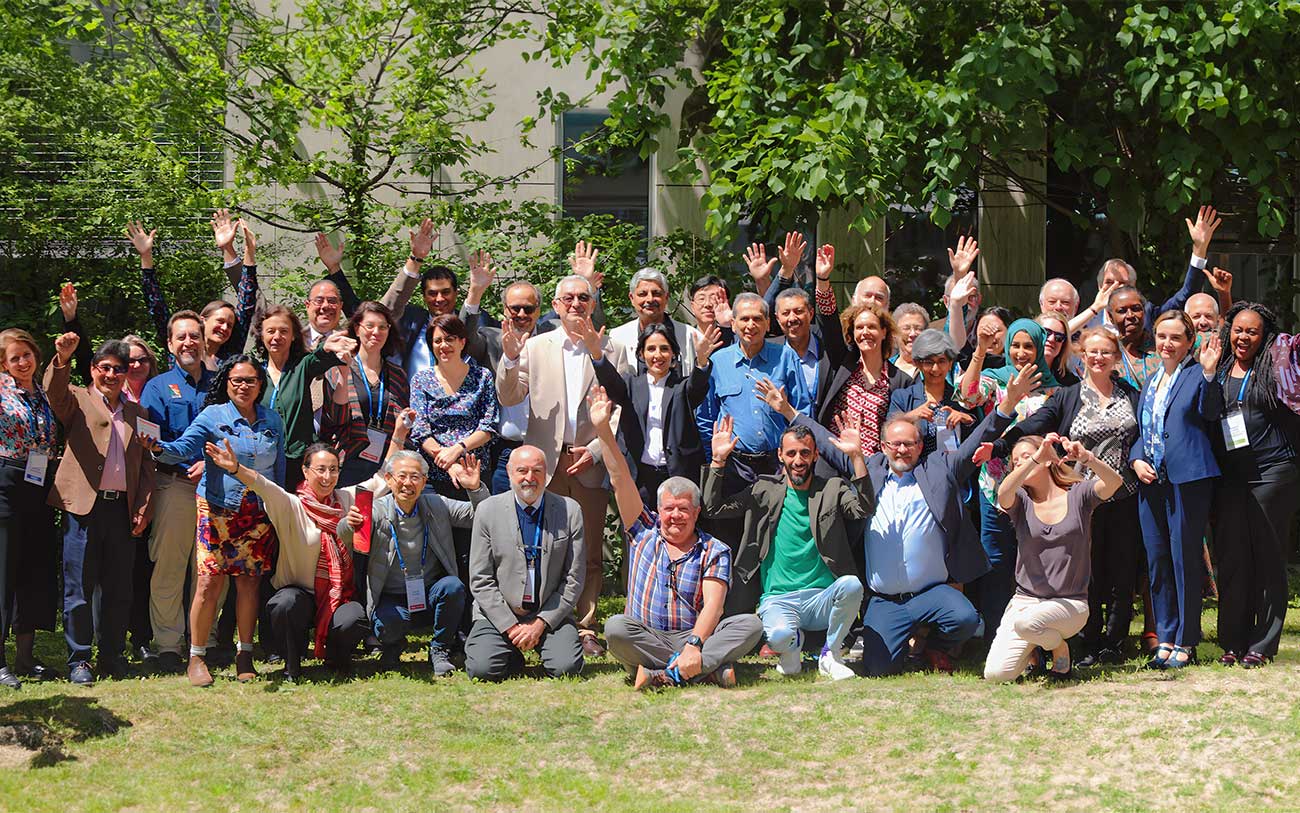
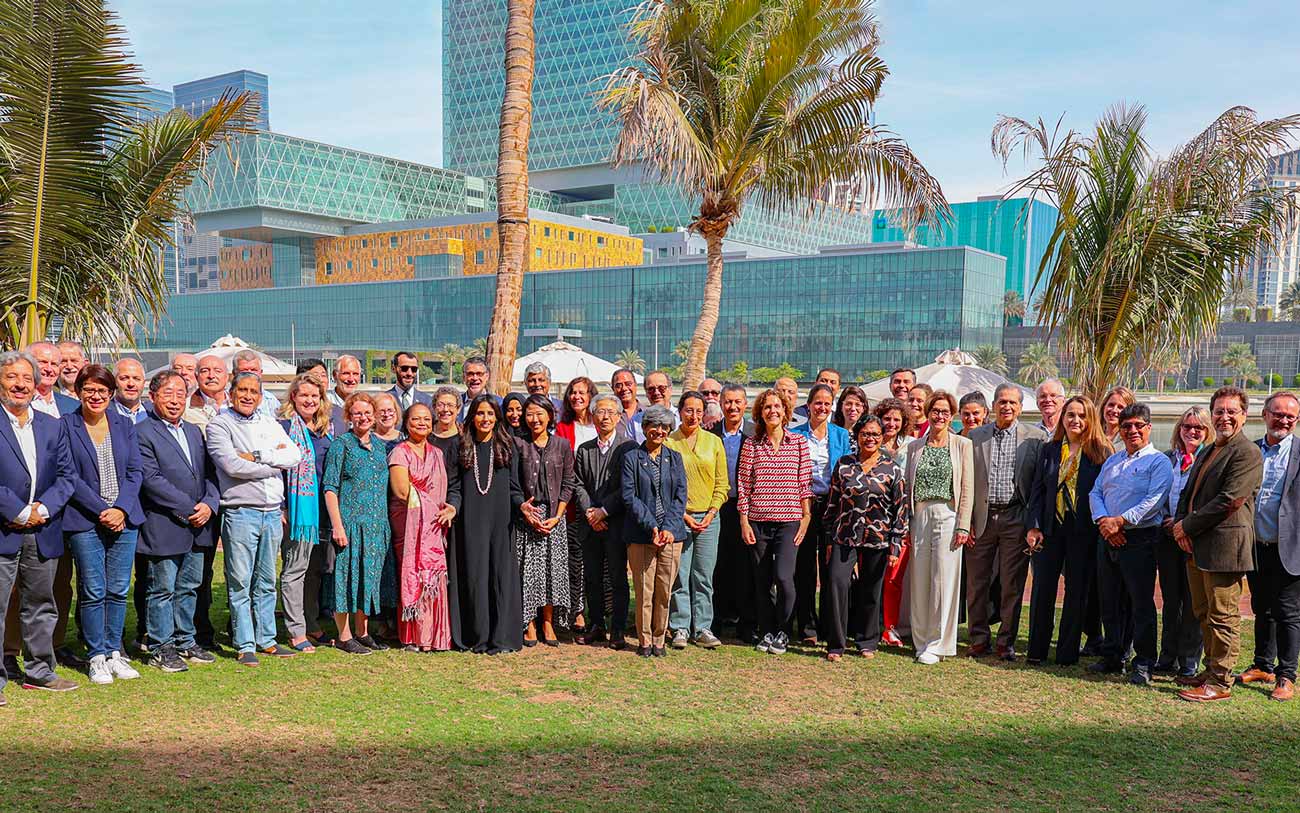
Group photo after the 109th Council Meeting in Switzerland.

Razan Al Mubarak, President of the International Union for Conservation of Nature (IUCN), convened the 109th IUCN Council Meeting held in Gland, Switzerland on 23 May 2023. Ms. Al Mubarak, who has been at the forefront of important environmental initiatives, is the second woman and the first representative from the Arab world to lead the organization.

In her statement, Ms. Al Mubarak emphasized the urgency of addressing climate change's impact on species:

“It is already a fact that species are going extinct as a direct result of climate change. Rising greenhouse gas levels and their adverse effects are putting additional pressure on thousands of species on the IUCN Red List of Threatened Species. At the same time, natural ecosystems provide key services that can help address the climate challenge. They store carbon and protect people from the worst effects of climate hazards like sea-level rise, flooding, heatwaves and droughts.”

The IUCN is one of the main proponents of the idea that nature-based solutions are a key part of the effort to keep global warming well below the threshold of 2°C above pre-industrial levels agreed through the UN framework. Besides reducing emissions, nature-based solutions – like dealing with deforestation, restoring ecosystems and improving farm management – will also reinforce adaptation measures as humanity deals with some inevitable climate change impacts.

Ms. Al Mubarak, who also serves as UN Climate Change High-Level Champion, focused on integrating nature and biodiversity conservation into the agenda for the upcoming COP28 UAE, scheduled to take place at Expo City Dubai from 30 November to 12 December 2023.

In the UAE, Ms. Al Mubarak, who is also the Managing Director of the Environment Agency – Abu Dhabi and the Mohamed bin Zayed Species Conservation Fund, has been an active champion of the idea that restoring natural habitats is not only good for biodiversity but for climate and livelihoods, too.

Nearly 100 Conservationists from around the World attend IUCN Council Meeting in Abu Dhabi

On January 18-20, 2023, IUCN President Razan Al Mubarak hosted nearly 100 IUCN Council members, staff, and expert volunteer conservationists from around the world for the 108th IUCN Council Meeting in Abu Dhabi.

The meeting took place just one month after the historic Kunming-Montreal Global Biodiversity Framework, where nations pledged to halt and reverse biodiversity loss by 2030 and to protect at least 30% of terrestrial and marine areas (30x30). A key focus of discussions was the incorporation of nature and biodiversity conservation into the United Nations Climate Change Conference (COP28) process. COP28 will take place at Expo City Dubai from November 30 to December 12, 2023. 

Ms. Al Mubarak said: “It was an honor to welcome conservation leaders from around the world to Abu Dhabi. With the UAE as host to COP28 later this year, this was the perfect opportunity to explore the convergence of agendas between biodiversity and climate change.” 

During the meeting, IUCN members also had an opportunity to learn more about the UAE’s leadership in nature conservation, particularly that of UAE-based IUCN members, including the Ministry of Climate Change and Environment, Environment Agency – Abu Dhabi, Dubai Desert Conservation Reserve, Al Ain Zoo, International Fund for Conservation of Houbara, as well as the Mohamed bin Zayed Species Conservation Fund, Emirates Nature – WWF, and the Emirates Environmental Group.

This marks the fourth time that Abu Dhabi has hosted IUCN functions. Beginning in 2008, and again in 2012, 2015, and 2019, Abu Dhabi sponsored the leadership and planning meetings of IUCN’s Species Survival Commission – an entity responsible for the IUCN Red List of Endangered Species. Over 200 delegates from around the world convened in Abu Dhabi during each of those four events.

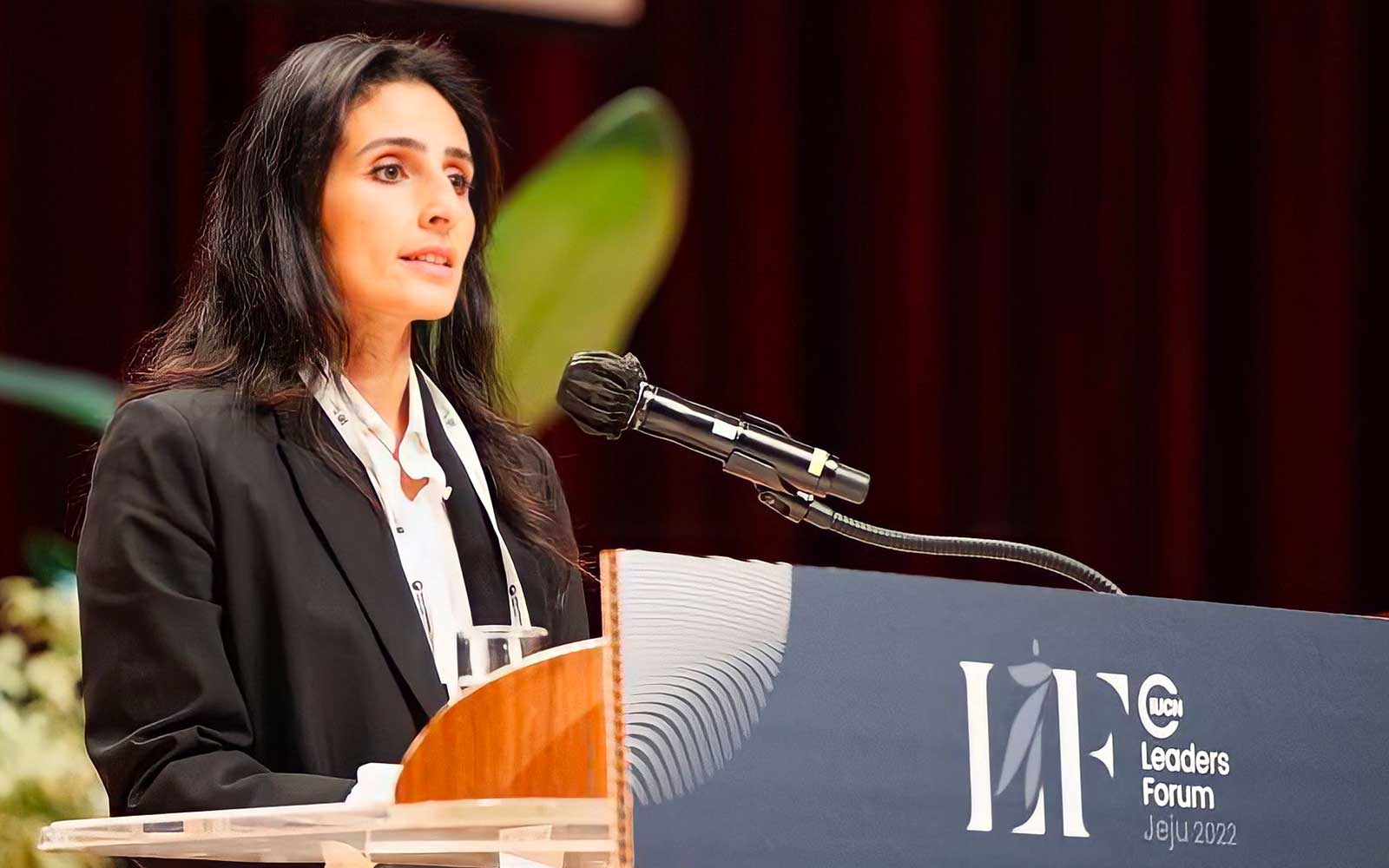
At IUCN Leaders Forum, Razan Al Mubarak delivers vision for a nature-positive global economy

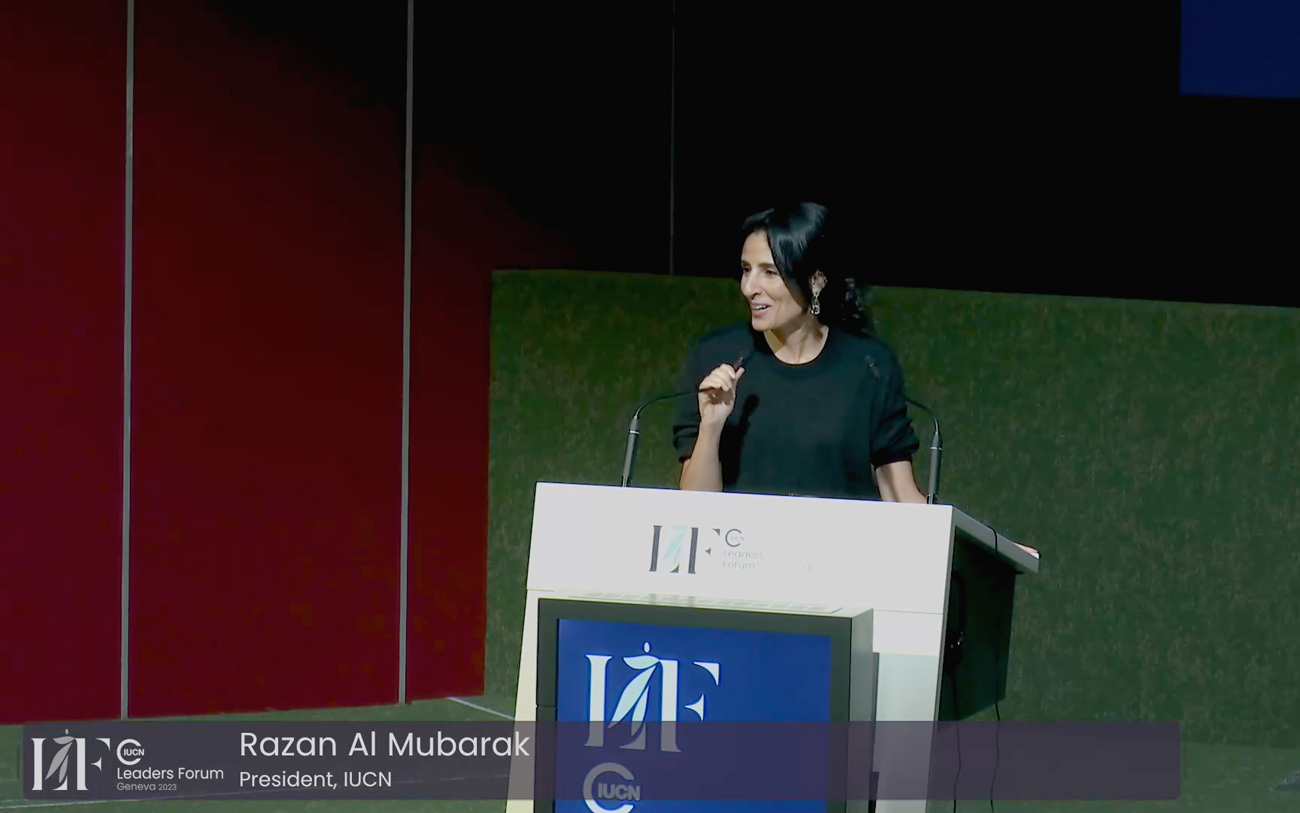
In the first-ever edition of the IUCN Leaders Forum, Razan Al Mubarak delivered the opening remarks and kicked off a three day event discussing IUCN's vision for a nature-positive, global economy and society, and turning this vision into reality. 

The Leaders Forum gathered some of the most powerful voices in the world of climate change and conservation, and included a keynote address by the Former Secretary General of the UN, H.E. Ban Ki Moon, amongst others.

In her remarks, Ms. Al Mubarak highlighted the importance of nature to our economic systems – from pollinators and clean water, to the habitats that shield us from the effects of climate change. She urged that we build momentum around a global framework to halt biodiversity loss by 2030. 

“With the Biodiversity COP15 in Montreal less than two months away, we are approaching a pivotal moment,” said Ms. Al Mubarak. “The challenge we face is no less than to rethink and rebuild our societies and economies to put nature on the path to recovery; we must become nature-positive.”

To that end, Ms. Al Mubarak moderated a panel discussion on the challenges the current negotiations are facing and the potential solutions to build bridges and consensus in the run-up to COP15. Panelists included Elizabeth Maruma Mrema, Executive Secretary, UN Convention on Biological Diversity (UN CBD) and Marco Lambertini, Director General, World Wide Fund for Nature (WWF) International.

Ms. Al Mubarak also took part in two sessions that gathered change makers from around the world – including young leaders and innovators from the conservation, finance, tech, development, health and other sectors. The changemakers pitched nature-positive proposals to prospective funders, as well as potential government, private sector, and civil society partners. 

As IUCN President and a fellow IUCN member from West Asia, Ms. Al Mubarak had the opportunity to host a session welcoming the Royal Commission for Al-Ula, along with its sister agency King Abdulaziz Royal Reserve Development Authority, as IUCN’s most recent Government Agency members.

Ms. Al Mubarak also announced Hyderabad as the Grand Winner of the 2022 World Green City Awards, which recognises initiatives that rely on a greater use of plants and nature to create better city environments, while fulfilling local aspirations for improved economic, social and environmental resilience.

Razan Al Mubarak marks one year anniversary as IUCN President

Just over one year ago, Razan Al Mubarak was elected IUCN’s new president. Her first year in office marks an important milestone and a great opportunity to update you on the progress that IUCN, under her leadership, has made in implementing the resolutions and decisions agreed upon during the Congress, while also laying out goals for the year ahead. 

Ms. Al Mubarak said: “It is more important now than ever to ambitiously advocate on behalf of our planet with the urgency that this moment deserves. The work we do for IUCN and the conservation of nature is vital – and it is not solitary work: together we can contribute to a healthy future for our planet.”

Highlights of the Council’s work of the past year include:

  • The establishment of a Climate Change Commission and the appointment of Manuel Pulgar-Vidal, the former Minister of the Environment of Peru, as the Commission’s Interim Chair. In this position, Mr. Pulgar-Vidal will lead the commission in mobilizing and coordinating efforts to address climate change across the Union.
  • In September, 2022, Ms. Al Mubarak represented IUCN at the 77th Session of the United Nations General Assembly in New York; engaged with UN Climate Change High-Level Champions at COP26 to advocate for Nature-based Solutions; interfaced with the World Economic Forum on planning for UNFCCC’s COP27 and COP28; and stood with world leaders in a pledge to commit to conservation goals for COP15 in Montreal.
  • The acceleration of efforts to pursue, monitor, and adapt integrated approaches to solving the biodiversity and climate crises, including advocating for the adoption of Nature-based Solutions to climate change at the upcoming United Nations Climate Change Conference (COP 27) in Sharm El-Sheikh, Egypt, in November and the UN Convention on Biological Diversity in Montreal, Canada, in December. 
  • IUCN Council has made great progress on the development of a 20-year Strategic Vision, inclusive of a Financial Strategy and Strategic Plan for the Union, as directed by Union Members during the World Conservation Congress in Marseille (WCC-2020-Dec-147-EN). So far, Council has developed and approved the Terms of Reference for the intersessional working group and the Bureau has received expressions of interest from Union Members to become members of the Council working group and recommended names for appointment by council.  

Looking ahead, Ms. Al Mubarak eagerly anticipates the first-ever IUCN Council meeting to be hosted in Abu Dhabi, in her homeland of the United Arab Emirates, and the 28th session of the Conference of the Parties (COP28) to be hosted in Dubai in November 2023. 

As the first Arab woman to serve as IUCN President, Ms. Al Mubarak especially values the imprint that her role as President has left on countless young women across West Asia, North Africa, and around the world, inspiring them to play an active role in conserving nature and biodiversity.

Razan Al Mubarak delivers the opening address to IUCN Africa Protected Areas Congress

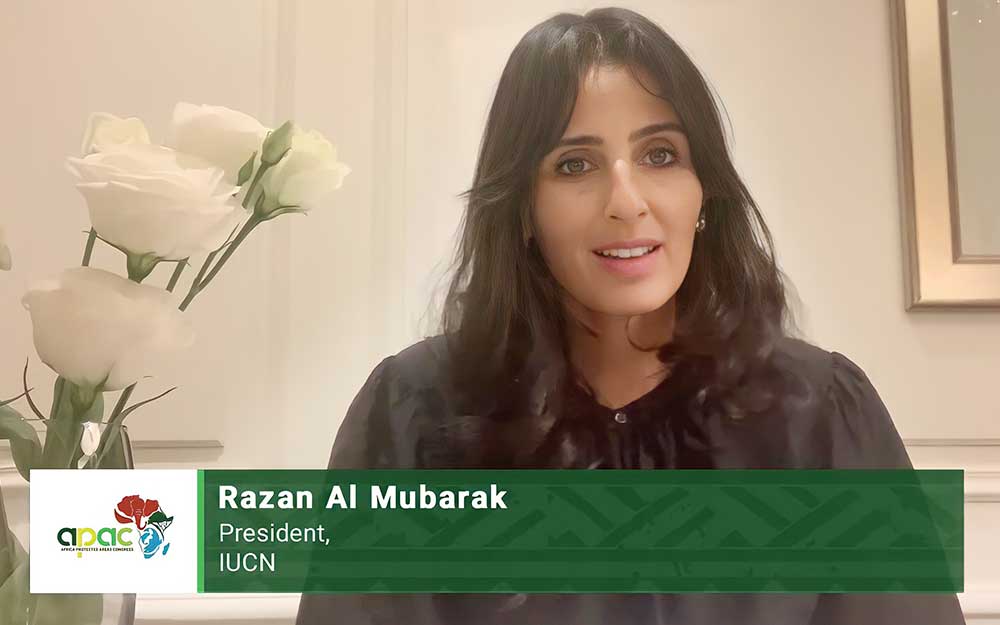
IUCN President Razan Al Mubarak delivered opening remarks at the IUCN Africa Protected Areas Congress on July 18, 2022, in Kigali, Rwanda.

Noting that twenty-five percent of the world’s biodiversity can be found in Africa, Ms. Al Mubarak highlighted the critical role that Africa’s protected areas can play in the fight against biodiversity loss and climate change.

“Well designed and effectively managed and governed protected areas not only serve as bastions for biodiversity, but they fundamentally and crucially fortify our health, our economy, our society, our very identity and culture, and in the context of such a polarized world, they also form and become symbols of our common humanity,” said Ms. Al Muburak. 

She added that now is the time to “seize this moment of global environmental interest” to design a new model of conservation where communities are empowered, women and youth are authentically engaged, and science and local knowledge are embraced.

The six-day event was the first ever continent-wide gathering of African leaders, citizens, and interest groups to discuss the role of Africa’s protected areas. The gathering closed with the adoption of the Kigali Call to Action by more than 2,400 participants. Priority actions include strengthening rights for indigenous peoples and local communities, increasing public and private financial investment in conservation and protected areas, and enhancing Pan-African collaboration towards these ends. In addition, the event resulted in a new $200 billion conservation trust fund, which will help protect around 8,600 protected areas that encompass 26 million square kilometers across the continent.

Watch Ms. Al Muburak’s opening remarks on YouTube.  

Razan Al Mubarak Elected to IUCN President

On September 8, 2021 Razan Al Mubarak was elected IUCN President for a 4-year term. Watch Ms. Al Mubarak’s acceptance speech at the conclusion of IUCN World Conservation Congress 2021 or read the transcription below.


Distinguished guests, ladies and gentlemen, and my fellow IUCN members,

I am truly humbled and honored to stand before you this evening at the closing ceremony of the 2021 World Conservation Congress as your newly elected president and I pledge to live up to this great responsibility and to earn your trust at this critical moment for the planet.

As I begin my address, I'd like to first thank the great city of Marseille and our gracious host, the country of France for their truly amazing hospitality and for prioritizing our health and safety for those who were able to attend in person. Thank you. And on behalf of us all, I'd also like to thank and raise our hats to the incredible team at the IUCN Secretariat for making this Congress a great success.

As we've heard, this hybrid Congress exceeded all of our expectations, both in terms of turnout, but also in terms of voting participation. In fact, more members cast their votes in these elections than during any of the past three three Congresses. Thank you. This would not have happened without your relentless dedication and effort. Chapeau!

But this success, in turn, is a reflection of the extraordinary dedication of our members, who despite the challenges attended virtually or in person to reconnect with colleagues, to reconnect with the IUCN extended family, and who voted virtually or in person to advance the democratic values of the IUCN and who contributed in person or virtually to unite and galvanize our collective efforts to protect nature. Shukran. Merci. Thank you. Y muchas gracias.

Mr. Bruno, the IUCN director general. You have successfully navigated our beloved organization in the eye of a global pandemic storm and I strive to take on the reins of the presidency as quickly and as efficiently as you have done. It is our joint responsibility to complement each other's strengths, to ensure that the roles and responsibilities of the president and the director general are clear and well defined and to work hand in hand to bring harmony to the council, to the secretariat, to the regional offices, and of course, to the regional and national committees. This will help ensure that we all work together synergistically, efficiently, effectively, with transparency and integrity, with a sense of urgency and never losing sight of what nature demands of IUCN. 

I also, too, want to take this opportunity to recognize the nine years of service of our former president, Mr. Zhang Xingsheng, who joined us virtually from China throughout this Congress and continues to show his commitment through his words and through his actions.

And for the newly elected council, congratulations. Our work starts now. Tomorrow is our first council meeting, and it will be critical to establish from the very beginning our common commitment to protecting nature, our duty to all our members, and our obligation to cooperation, to professionalism and to authenticity. 

Our members have not only put their trust in us to serve the union, but ultimately they have put their trust in us to serve nature. Ladies and gentlemen, we've all agreed that nature needs IUCN to step up. We need an IUCN that is visionary, willing to take strong, bold, ambitious steps. And let us not forget that it was IUCN that was at the foundation of what we know nature conservation to be. It is time to reignite the spirit of innovation, a nothing-is-impossible attitude whilst embracing the values of compassion, inclusivity, respect and diversity.

Ladies and gentlemen, caring for nature and biodiversity is our ethical duty, not just a scope of work. We need to accept in our core the contribution of nature to humanity. It is our duty to fight for nature, not only because of what it does for us, but for its own sake, its own intrinsic value.

And finally, I stand before you as the first Arab woman president in IUCN history. And for this, from the bottom of my heart, I thank you all for entrusting me with this great responsibility and in doing so, inspiring the countless women and young people of West Asia, North Africa and around the world who aspire to accomplish their dreams. You are our future and our greatest hope for a better tomorrow.

As we depart from here, both physically and virtually, I wish you and your loved ones to be safe and healthy, and I also wish that you take the spirit of this event with you to the next quadrennium to ensure that the IUCN community progresses its mission with a sense of urgency, with a sense of purpose, and with a sense of hope that this moment demands.

Thank you very much.

In IUCN 2021 presidential candidates debate, Razan Al Mubarak offers optimistic message for future of Union

Razan Al Mubarak articulated her vision for the Union in the recent IUCN 2021 presidential candidates’ debate which was moderated by the former Prime Minister of France, Laurent Fabius.

The debate was conducted in advance of the electronic vote which will open to all IUCN members no matter their location on September 4, 2021.

In her closing statement, Ms. Al Mubarak offered a message of hope for the future of conservation: 

“IUCN has so much to offer at this critical moment, especially as more and more people recognize that protecting nature is critical to solving the current challenges we face, and that nature-based solutions are gaining more ground.

This is our opportunity to bring back the grand vision of the Union, where nature is elevated as an existential crisis on the global agenda. 

Now is the time for us to step up to this challenge and redesign and reimagine nature conservation. The time for procrastination is over. We must be bold. We must be fast. We must innovate. And armed with optimism and humility, we need to enable the IUCN to be a more active and effective advocate for Nature Conservation globally. I am convinced we can do it collectively. We will succeed, for nature needs us and we need nature.”

Watch the first presidential debate in the IUCN’s YouTube channel.